
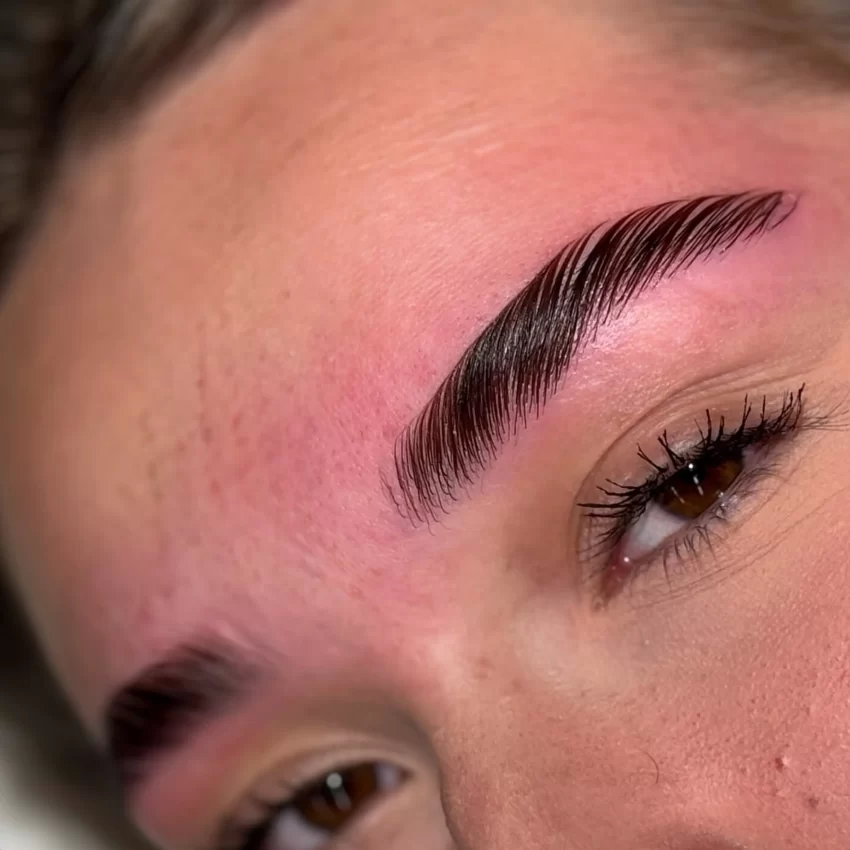
So you’re asking, how long is an eyebrow feathering course? Good question. Because as two cosmetic tattoo artists who’ve spent years fixing rushed or under-trained brow work, we can tell you straight: the length of a course matters. And not just the hours on paper — we’re talking about what’s actually taught, who’s teaching it, and whether you’ll walk away confident enough to tattoo a real client.
In this guide, we’ll break down course lengths, what you should expect at every stage of training, and how to spot the difference between a legit certification and a glorified weekend crash course. (Spoiler: there’s a reason some artists take six months to get studio-ready, while others are tattooing on Monday after a one-day intro class.)
Whether you’re new to the beauty industry or looking to upskill into semi-permanent makeup, this article is your brow map. We’ll cover everything from brow mapping tools to infection control, pigment selection, healing stages, and the kind of student support that helps you succeed. And yes, we’ll also touch on where eyebrow microblading and powder eyebrows fit into the mix.
Course Duration Isn’t One-Size-Fits-All
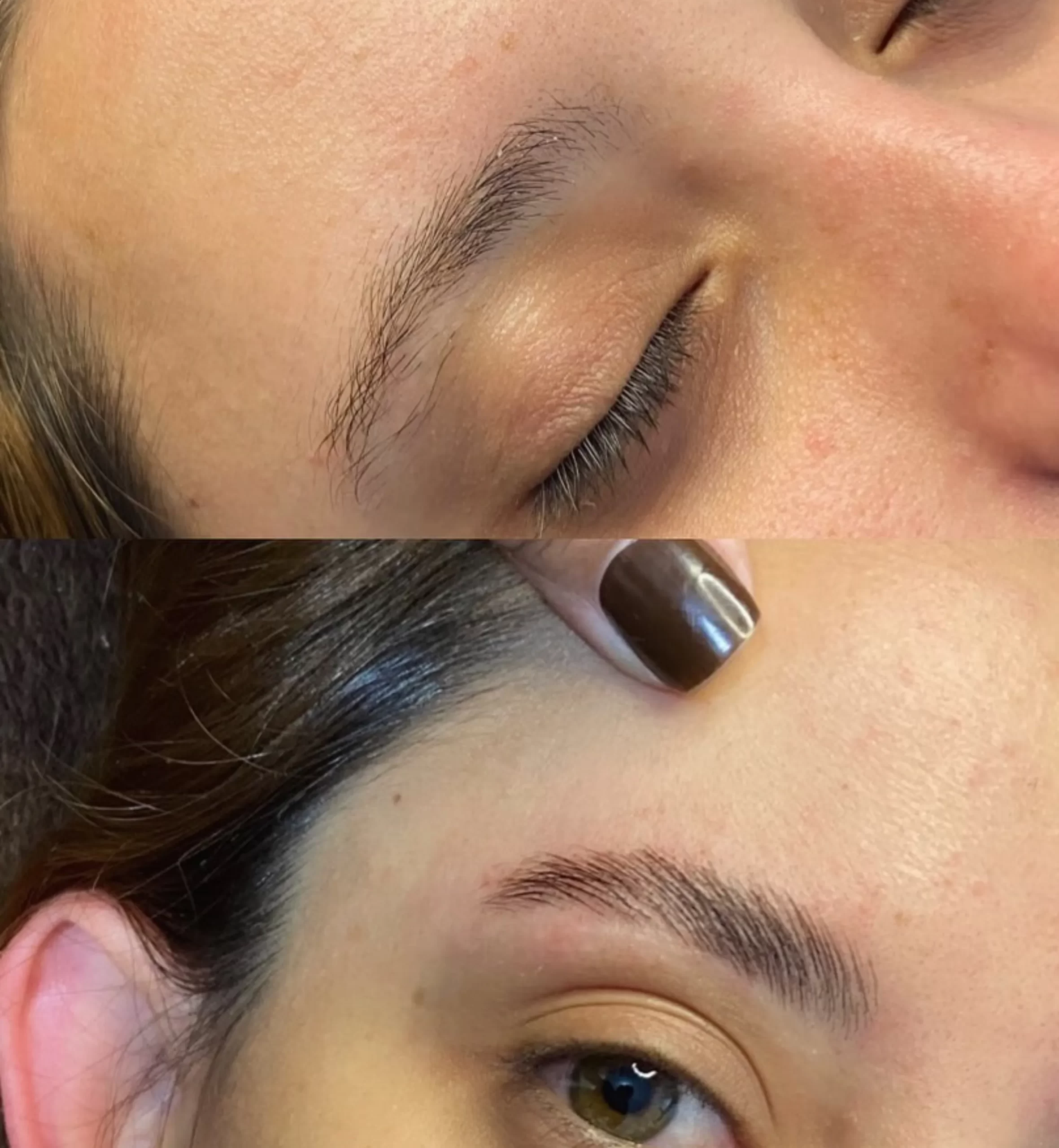
Not all courses are created equal — and we’ve seen that firsthand. Some students come to us after completing a “two-day intensive” that skipped the fundamentals. Others spend weeks learning theory without ever picking up a tool. The right length depends on your learning style, the course content, and how much support you get.
Three Training Timelines
| Course Format | Duration | Best For |
|---|---|---|
| Short Intensive Course | 1–3 days | Browsers, refreshers, or complete newbies wanting a taster |
| Standard Certificate | 4–7 days (in class) + theory/homework | Those seeking national recognition & proper hands-on time |
| Extended Mentorship | 4 weeks – 6 months | Artists who want deep support, real clients, and business skills |
We offer an eyebrow feathering course in Brisbane that falls into the middle category — multi-day practical training plus pre-course learning and post-course mentoring. That’s the minimum we’d recommend for anyone wanting to tattoo professionally and safely through a comprehensive training program.
What You’ll Learn (If the Course Is Worth It)
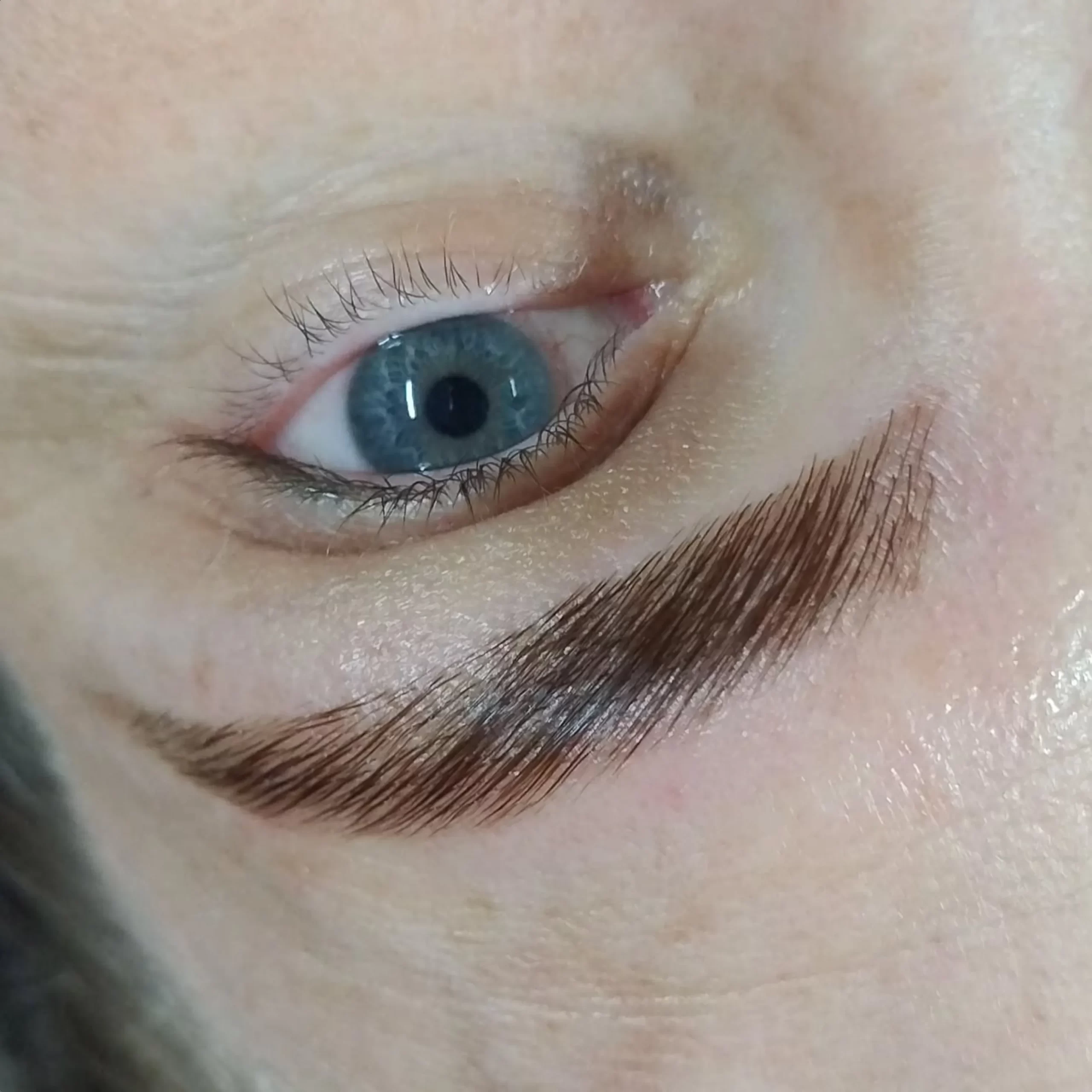
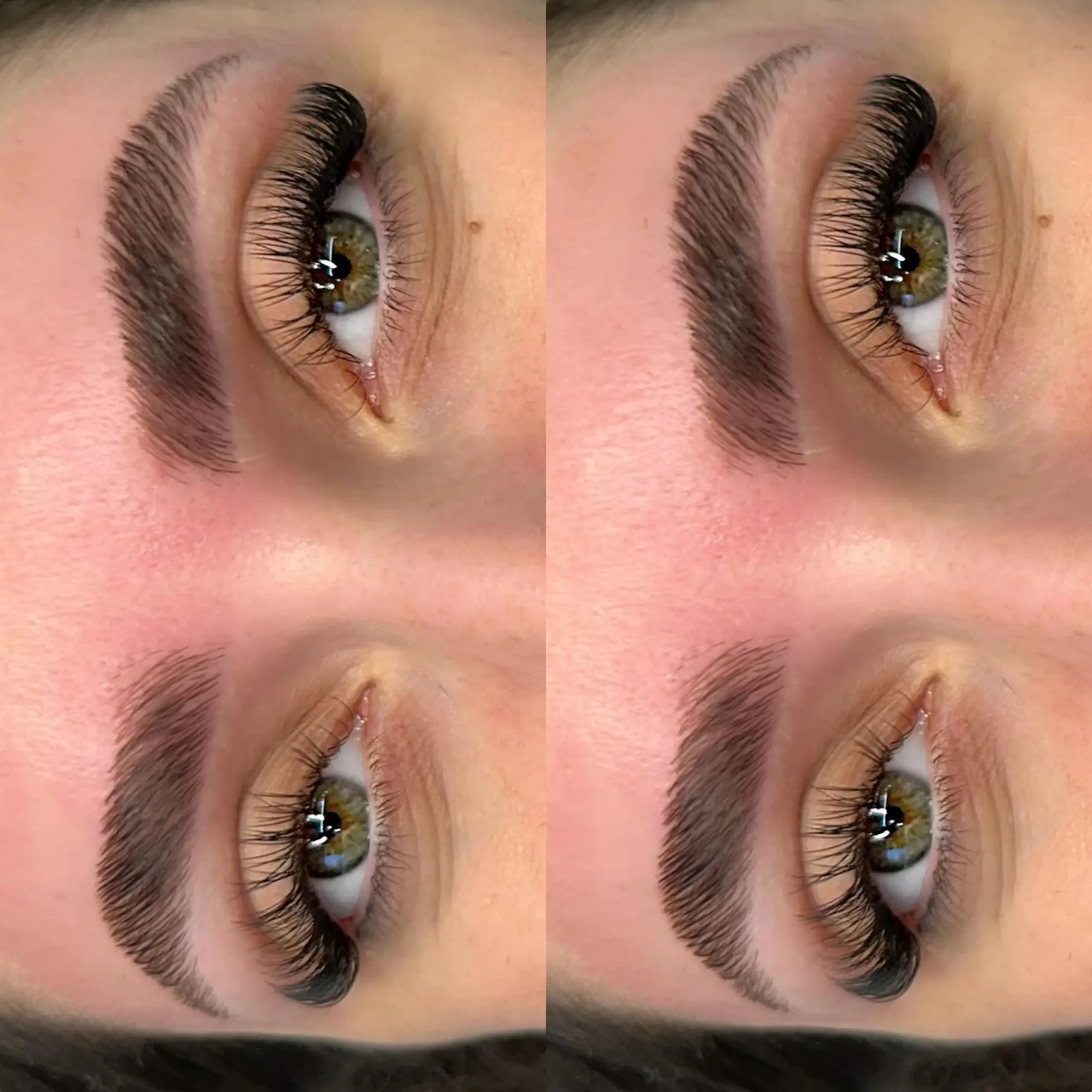
A good training course doesn’t just teach you how to draw pretty brows. It shows you how to work on real faces, manage risks, and get repeat clients. Let’s break down the key modules you should see in any professional eyebrow tattoo course:
- Core Units:
- Skin Anatomy & Fitzpatrick Scale
- Colour Theory and skin undertones
- Health and Safety Regulations (hello, infection control!)
- Brow Mapping tools and symmetry
- Feather stroke technique and hair-like strokes using disposable blades
- Understanding different Skin Types and pigment retention
- Client consultation process and contraindications
- Live model work (plus latex practice sessions)
- Pre & After Care and Healing Stages
Bonus (but valuable):
- PMU Machine vs manual technique (microblading techniques vs machine tattooing)
- How to use a digital machine and select the right needle
- Business setup, social media strategies, and marketing
- How to photograph healed results that reflect pigment stability
- Certificate of Completion and Student Support after training
Many students who come from beauty backgrounds often ask how powder eyebrows compare to feathering. A quality training course will explain when each technique is best suited to a client’s skin type and desired result.
Any eyebrow tattooing training that skips the safety, pigment theory, or proper hygiene? Run. Cosmetic tattooing isn’t something you wing. It requires technical precision, an understanding of face and brow anatomy, and a real commitment to hygiene and results.
Let’s Talk About Brisbane Conditions (Because They Matter)
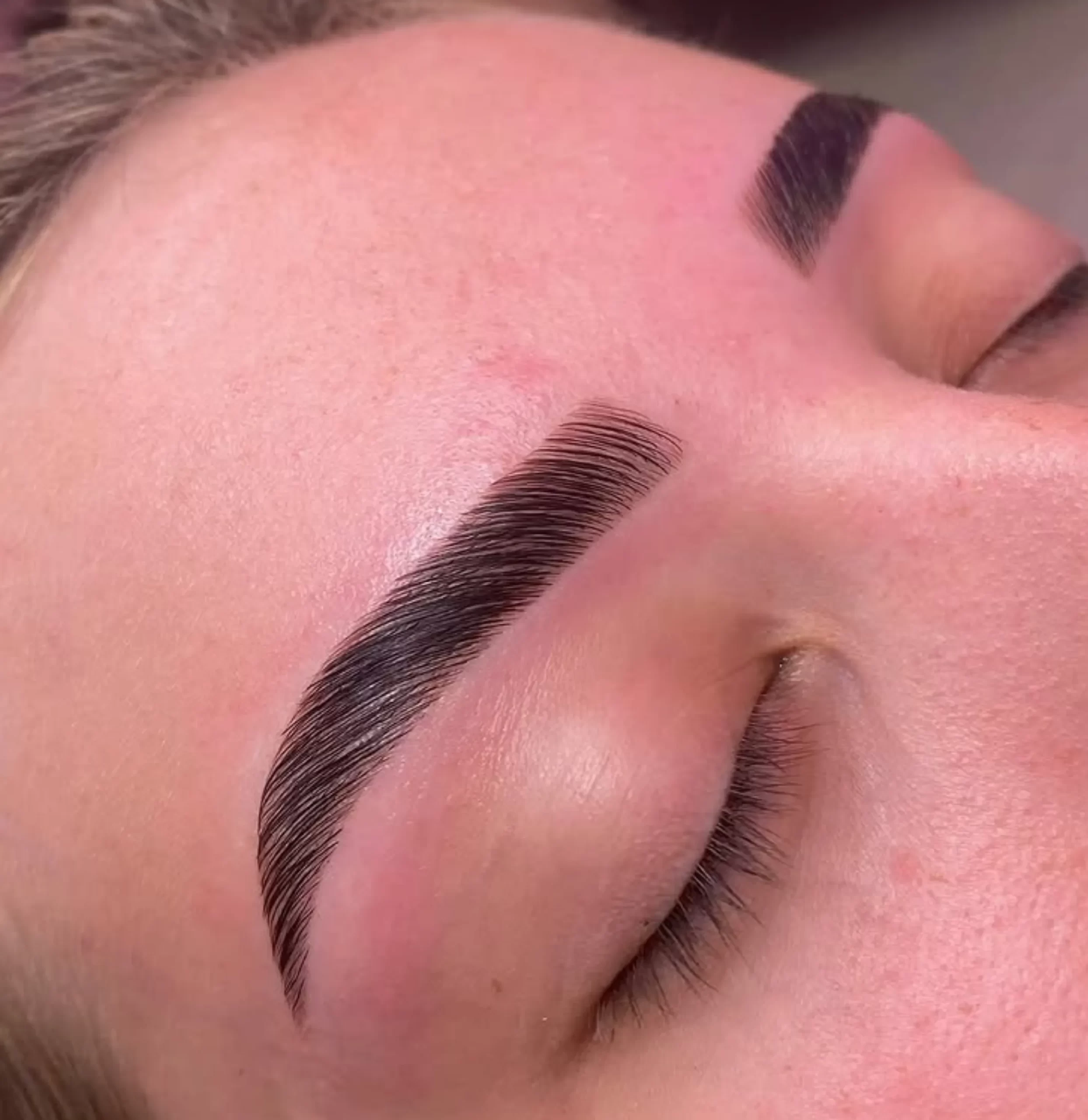
Here in Brisbane, we deal with humid summers, strong UV, and a beauty-savvy crowd that knows what they want. That means your training needs to cover:
- Healing patterns in humid weather (more oozing, more scabbing)
- Pigment choices that hold in warm undertones and sun exposure
- How oily skin type affects hair strokes and pigment retention
When we run our semi-permanent techniques training in Brisbane, we tailor pigment suggestions, healing advice and colour theory based on our climate. It’s what sets apart a competent brow artist from a cookie-cutter technician.
What Happens After You Finish Your Course?
Finishing your eyebrow tattoo course doesn’t mean you’re ready to start charging clients. It means you have the foundation to keep learning, building, and improving. Here’s a more honest breakdown of what happens next:
- You practise. On latex, on models, using PMU makeup tools.
- You refine. Your brow mapping precision, pigment selection, and stroke depth.
- You build a portfolio. Focus on healed results — not just fresh photos.
- You get mentoring. Face-to-face tuition or shadowing real cosmetic tattoo artists.
- You register with your council. (Training programs must align with local health regulations.)
- You get insured. No exceptions in the cosmetic tattoo artist industry.
In our studio, we’ve seen new artists blend their eyebrow microblading practice with powder fill techniques to cater for clients who want soft, shaded results instead of crisp strokes.
Remember: even top-tier brow artists never stop learning. The beauty industry evolves fast — your training needs to keep up.
Healing Timelines for Model Work (Realistic Expectations)
| Healing Timeline | Week | What to Expect |
|---|---|---|
| 1 | Brows appear darker. Redness or scabbing may occur | |
| 2 | Flaking starts. Some loss of pigment is normal | |
| 3 | Pigment resurfaces. Results begin to even out | |
| 4–6 | Full healed look sets in. Time for a top-up if needed |
This timeline varies slightly depending on the client’s skin type, age and lifestyle. And yes — skin tones and undertones do play a role in final pigment appearance.
2025 Brow Trends
According to 2025 beauty trend data, natural-looking brows are in and fast fixes are out. What clients want now:
- Feathered brows using true microblading techniques
- Customisation based on face shape and golden ratio formula
- Pigments tailored to individual skin tones and undertones
- Corrections of poorly done semi-permanent eyebrow tattoos
If you’re weighing up different education paths, enrolling in a reputable eyebrow feathering course will set you up with the knowledge and techniques clients are now actively seeking in 2025.
This means eyebrow tattoo artists need to deeply understand colour theory, machine tattooing techniques and healing behaviour — not just how to trace a stencil. A good training course will help you meet real-world expectations.
Quick Checklist: Choosing the Right Course
Before you sign up for any short courses or full program, ask yourself:
- Is it a recognised eyebrow tattoo course in Australia?
- Does it teach brow mapping using golden ratio and symmetry tools?
- Are infection control and hygiene units included?
- Does it cover Skin Types & Fitzpatrick Scale?
- Will you receive a Certificate of Completion?
- Is Student Support offered after training?
- Will you use both PMU machine and microblading tools?
Courses that tick all these boxes? Worth every dollar in training fees.
Final Thoughts
If you’re wondering how long is an eyebrow feathering course, the better question might be how long are you willing to invest to become great at this?
Because rushing through won’t just risk your client’s results — it could stall your career before it starts. At Cosmetic Tattoo Studio Face Figurati in Brisbane, we’ve seen the difference between tick-a-box training and real artistry.
FAQ
Can you learn feather stroke technique in a weekend?
Not properly. You’ll need structured training, practice and feedback to master hair strokes safely.
Do I need a digital machine or is microblading enough?
Both have their place. A good training program will teach you when to use each.
Is a client consultation really that important?
Absolutely. Skin types, contraindications, goals — it all starts with a solid consultation process.
Are there face-to-face tuition options in Brisbane?
Yes, many quality providers offer in-person training with live models and trainer feedback.
What do I need to bring to the tick-a-box training?
Brow mapping tools, latex practice skins, disposable blades, PMU machine and hygiene gear.