Wheelchair-Accessible Wilderness: Getting Under The Skin Of The Great Dividing Range for All Abilities starts with a wake-up call: you don’t need to be a rock climber to get the bush into your blood. I’ve spent decades planning and leading trips across eastern Australia, and I’ve seen firsthand how the Great Dividing Range can welcome people using wheels, walkers, guide dogs, or just plain old creaky knees – as long as you know where to look and who to ask.
I’m Paul Beames, and don’t expect me to sugarcoat things – this is about honest access, real terrain, and places where you can actually stop, breathe, and take it in – not just roll up, take a fancy photo, and head off again. When done properly, accessible travel through the Great Dividing Range still offers a real wilderness experience.
What ‘Accessible Nature’ Really Looks Like Out Here
Accessibility in the bush isn’t about turning everything into a concrete path. It’s about usable design – smooth paths, gentle slopes, picnic tables that don’t require a specialist degree in physics to use, and toilets that work when you actually need them. Out on the Great Dividing Range, that means focusing on the best bits: the views, the short jaunts, the visitor centres, and the valley floors.
In Australia, a full 18% of the population lives with a disability – that’s not a tiny little niche audience, that’s families, older travellers, veterans, and anyone who just wants to get outside without a fight. More and more tour operators, including wildlife tour operators, are factoring this into their plans, selecting places that work rather than pretending to be accessible for the sake of it.
Country Comes First – Everywhere
The great dividing range covers a huge area of living country, and when you’re walking, driving, or just taking the scenic route, you need to follow the guidance of the Traditional Owners. In places like Parks Victoria and NSW National Parks, the signs are pretty clear about where you can go and where you can’t.
The key point is that good access and respect for the land go hand in hand. When the signs say ‘no entry’, that’s not a challenge to overcome – it’s an instruction to follow. We all do this right when we respect the land and listen to its owners.
Where Access Meets Country on a Big Scale
The Blue Mountains have to be the standout for inclusive access in NSW. Sure, the escarpments are steep in places, but if you look around Katoomba youll see what can be done with a bit of planning.
Lookouts That Actually Deliver The View
At Echo Point, smooth paths take you right to viewing platforms overlooking the Three Sisters and the Jamison Valley. The gradients are manageable, the railings are in the right place, and the toilets are accessible. There’s the same sort of deal at Wentworth Falls and Katoomba Falls – different platforms, different levels of effort, but all with something to offer.
Further out, Govetts Leap, Lincoln’s Rock, Olympian Rock, Hargraves’ Lookout and Tunnel View each offer something different – some are perfect for wandering off on your own, while others are best with company. And then there’s the Explorer Bus, which makes life much easier by handling parking and logistics.
Just remember to keep an eye on the weather, the crowds, and the terrain hazards. After a heavy rainstorm, the area near the Katoomba Landslide can change in a hurry.
Victoria’s Mountain Country: A Mixed Bag But Full of Surprises
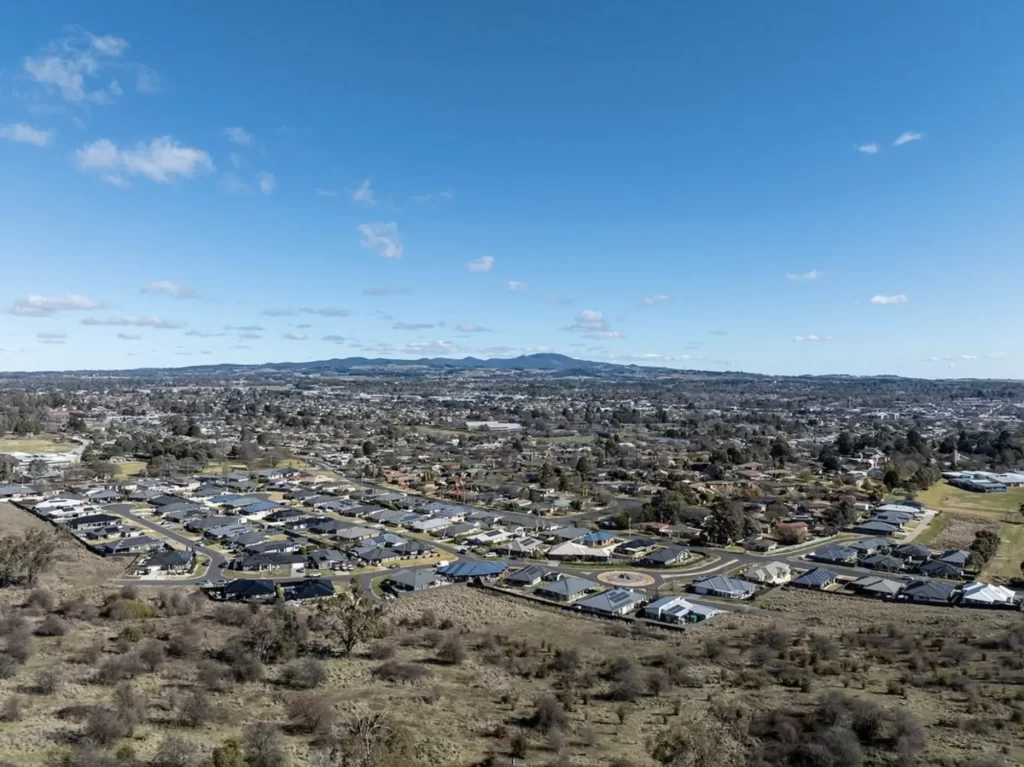
In Victoria, getting around the Great Dividing Range can be a bit hit or miss – but when it works, it’s really something special.
Finding Drama Without the Struggle in the Grampians
The Grampians National Park (Gariwerd) knows how to deliver great views without needing an epic summit climb. Reeds Lookout and Boroka Lookout offer easy access via sealed roads, with views across the Victoria Valley and Victoria Range, and Mount William on the skyline. Near MacKenzie Falls, the paths are wide and easy going.
The facilities here focus on practicality:
- Accessible parking right by the lookouts
- Picnic tables with knee space
- Flushing toilets that actually work
- BBQs available outside fire season
And to be honest, the steep roads to Mount William itself aren’t suitable for most wheelchairs – and that’s okay. Being realistic matters.
Under The Radar: Quieter Options in Ararat
Around Ararat Regional Park, some sections of the Great Dividing Trail, Ararat Circuit Walk, and Bushland Reserve areas have compacted surfaces and gentle gradients – perfect for short outings. With trailheads near McLean St, an interpretive centre, and mapped Ararat Trails, this area is a solid bet for a stress-free day.
Queensland’s Southern Edge: A Reality Check
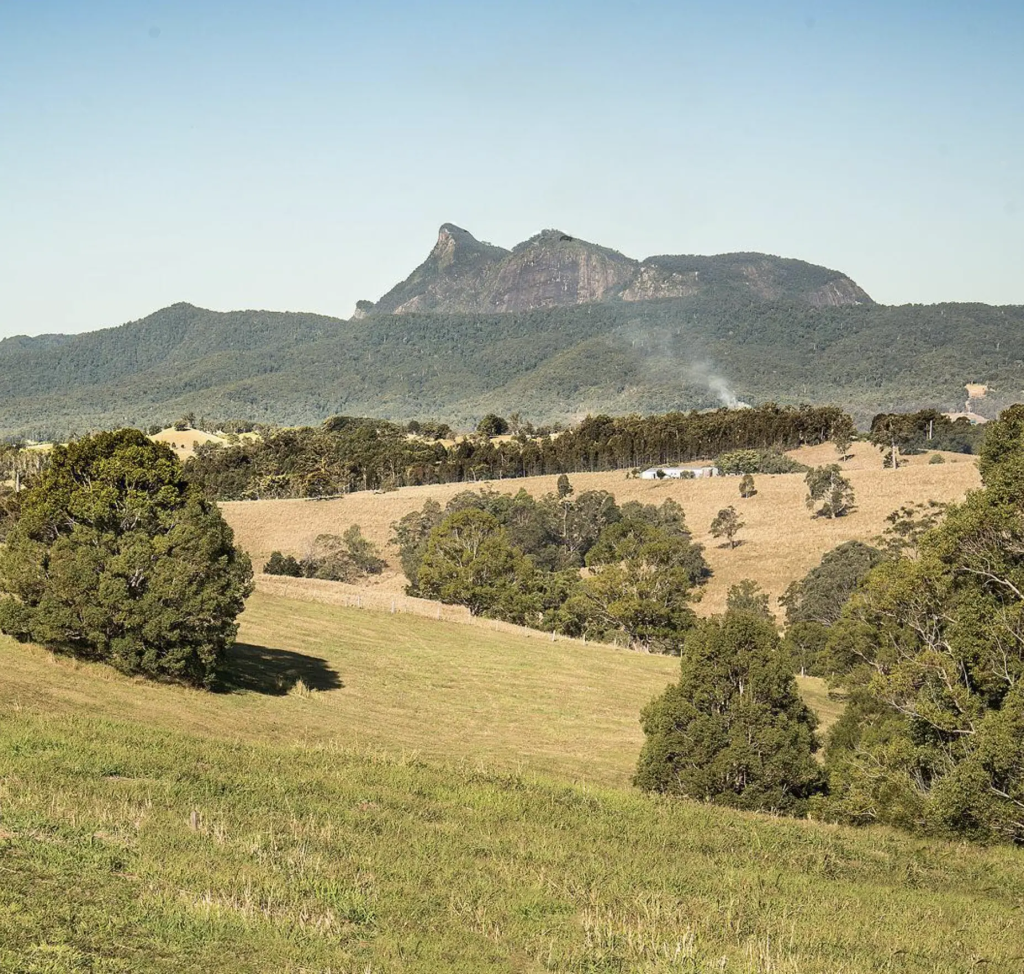
In Queensland, the mountain spine softens into plateaus. Mount Coot-tha is a standout, with sealed access from the Summit Cafe to the East Cliff lookout and North Cliff Track. With public transport links and views over the Brisbane River to Moreton Bay, this is city-meets-bush travel done right.
Further on, places like Mount French and Mount Barney are steep, rocky, and exposed – and simply not accessible.
Keeping Things Simple: Car-Based Campsites
When it comes to camping, car-based hubs are often the best option. The Erica Caravan Park near Mt Baw Baw has level sites, accessible amenities, a camp kitchen and fire pits. Ideal for families or self-contained vans.
No wilderness bragging rights here – but you do get a good night’s sleep and a stress-free holiday.
Gear And Planning That Actually Work
Too many people rely on a glossy brochure instead of checking real accessibility info. Don’t be that person.
Do Some Research Before You Go:
- Official park accessibility PDFs
- Calling the visitor centre after a storm
- Confirming assistance dog rules
- Planning shade and rest breaks
Useful Stuff:
- All-terrain wheelchairs
- Sunscreen and hydration systems
- Lightweight ramps for picnic shelters
More tour operators, such as Wildlife Tours, are now building itineraries around these realities.
Adventure Doesn’t Disappear With Easy Access
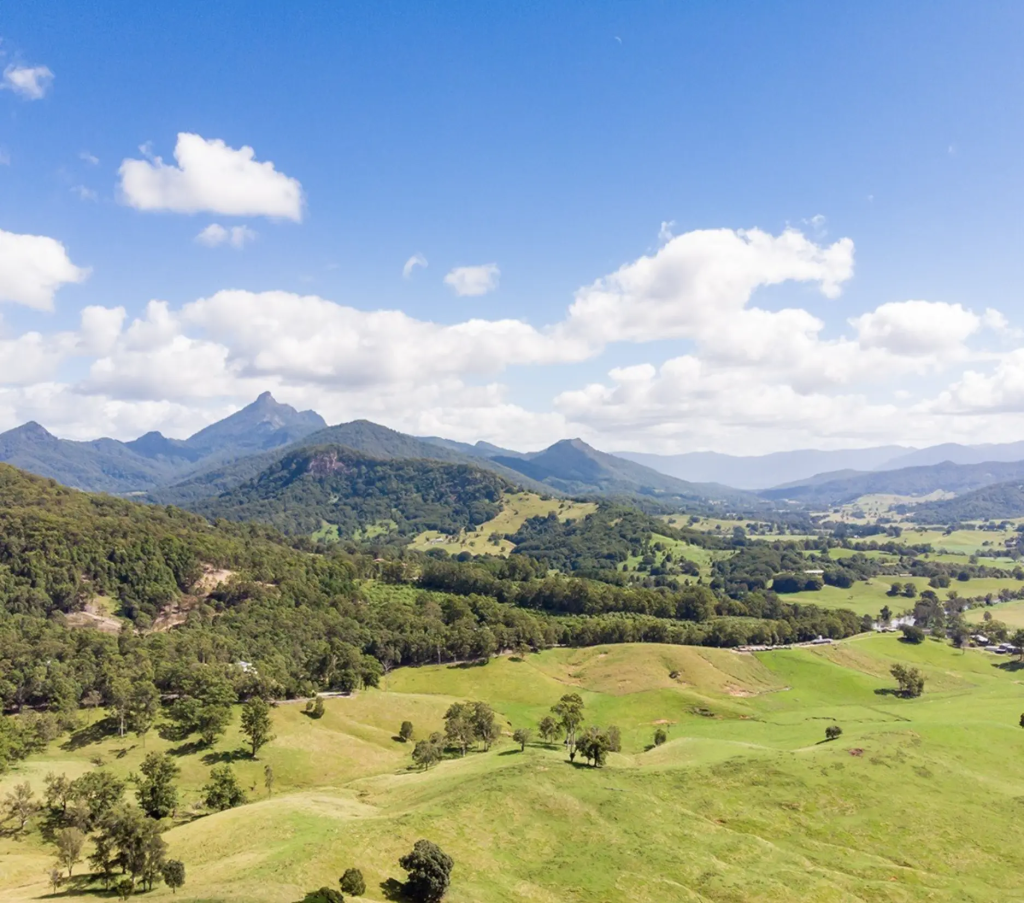
Making places more accessible doesn’t remove the adventure – it opens it up. With accessible lookouts, shared trails, and sealed paths, more people can enjoy landscapes shaped by old colonial routes, eucalyptus trees, and rocky outcrops.
Good access doesn’t mean a watered down experience – it means a bigger world.
Getting Down To Basics
The Great Dividing Range will never be 100 per cent accessible – and probably shouldn’t be. But many sections already offer excellent access. With planning, respect for Country, and a focus on the good spots, this range delivers real connection without pushing people too hard.
If you want to know which spots are genuinely accessible, I’d be happy to point you in the right direction.
FAQ
Can you still enjoy the mountains in a chair or with a mobility aid?
Yes. Lookouts, sealed walking paths, and visitor areas on the east coast offer great experiences without climbing a mountain.
Are the facilities actually usable?
In many popular spots, yes – flush toilets and accessible picnic tables, but always check conditions.
Does weather impact access more than distance?
Absolutely. Heat, rain, and wind can make things challenging, especially on exposed escarpments.
Is a guided tour a good option?
For many people, yes. Operators like Wildlife Tours reduce guesswork and risk.
How do I avoid turning an accessible trip into a nightmare?
Plan fewer stops, allow extra time, check access details, and accept that some places are never going to be suitable.